

Please provide your contact information, and we'll get back to you shortly.
Thank you!
We'll get back to you about this within a few business days.
Oops! Something went wrong while submitting the form.



Understanding your product flows is essential, especially in a large-scale production process. Dole Packaged Foods is committed to innovation. But how do you bring innovation to production sites when you have little experience with that? Dole has partnered with QING and, as part of this collaboration, has installed the first intercontinental Q-See system in the Philippines. This system uses Vision AI to gain insight into the quality of pineapple processing. This provides greater control over the production process and allows for targeted efforts to reduce product loss.

STAQ® Technology Package
Vision AI
Data
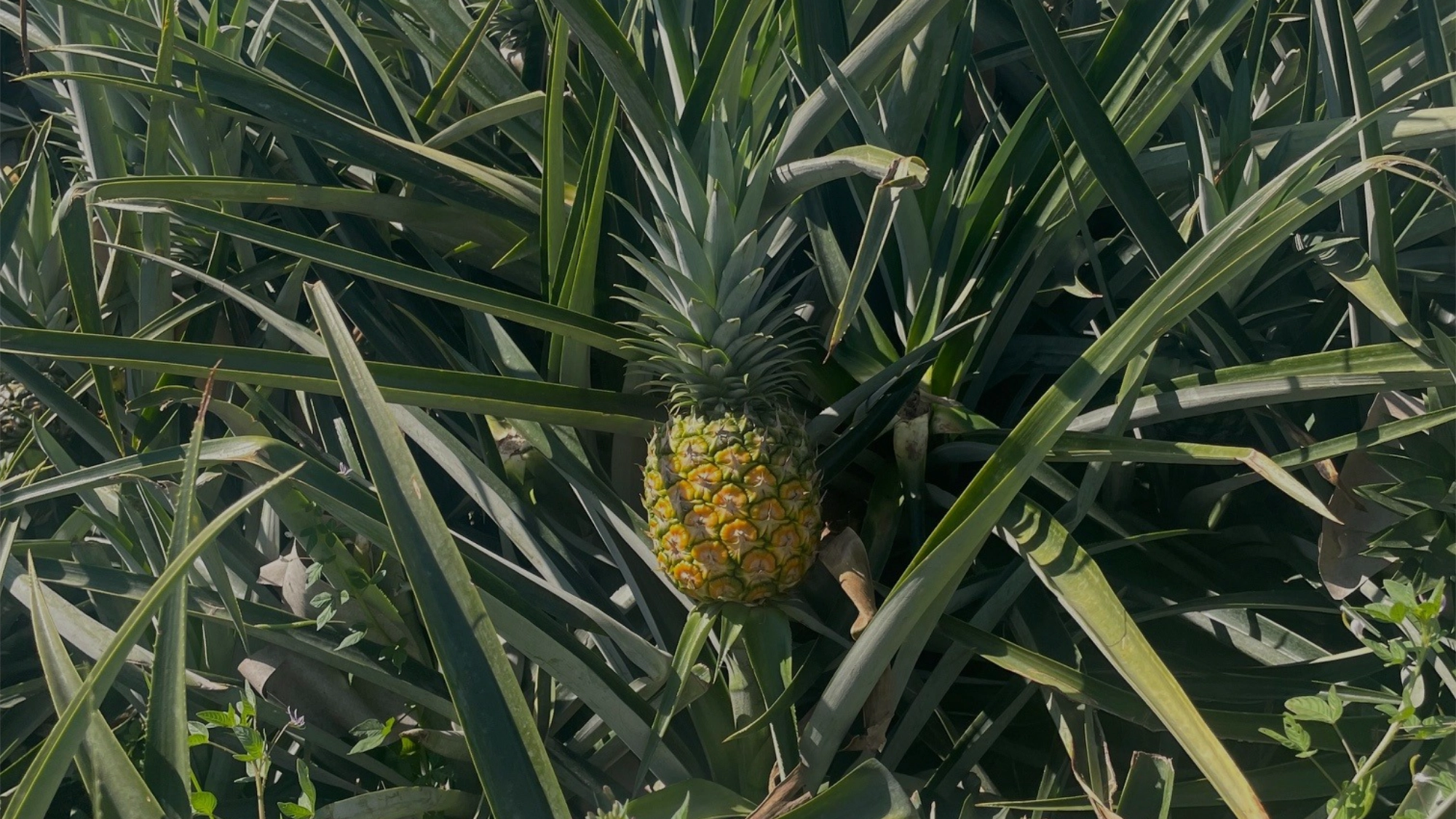
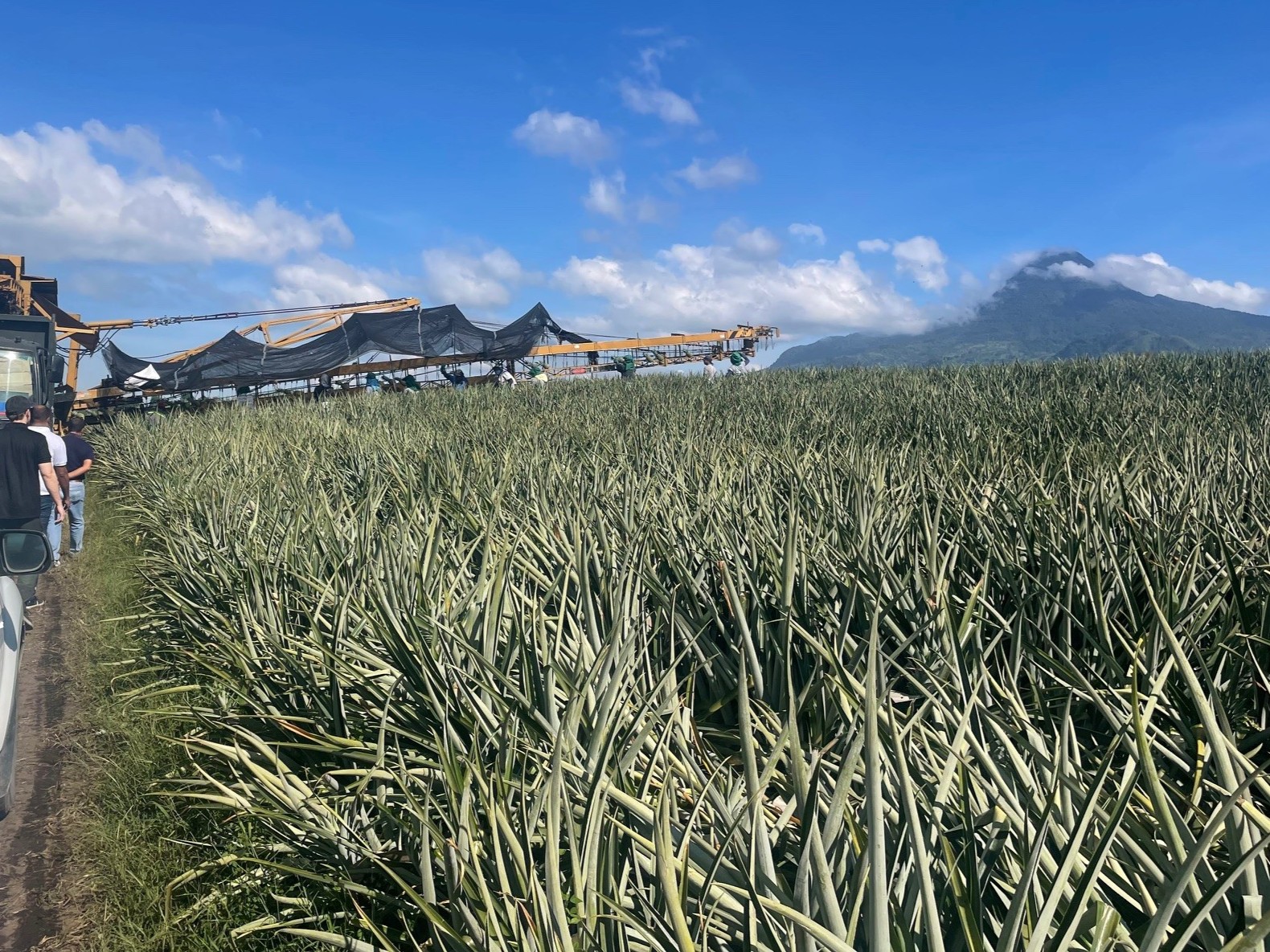
Dole Philippines is one of the world’s largest pineapple producers. It was founded in 1963 in the southern Philippines and processes approximately 1 million metric tons of pineapples annually. At the production facility in Polomolok, where the Q-See system is installed, pineapples are peeled and canned.
There were opportunities at Dole’s production sites related to efficiency and waste reduction that the company wanted to capitalize on. Dole’s main challenge in this regard was the lack of objective and comprehensive insight into its production processes. Many processes were not yet measurable enough:
As part of Dole’s commitment to fostering innovation, QING was introduced to the production facility in the Philippines. Much of the data from the production lines had not yet been digitized, and quality controls were largely performed manually.

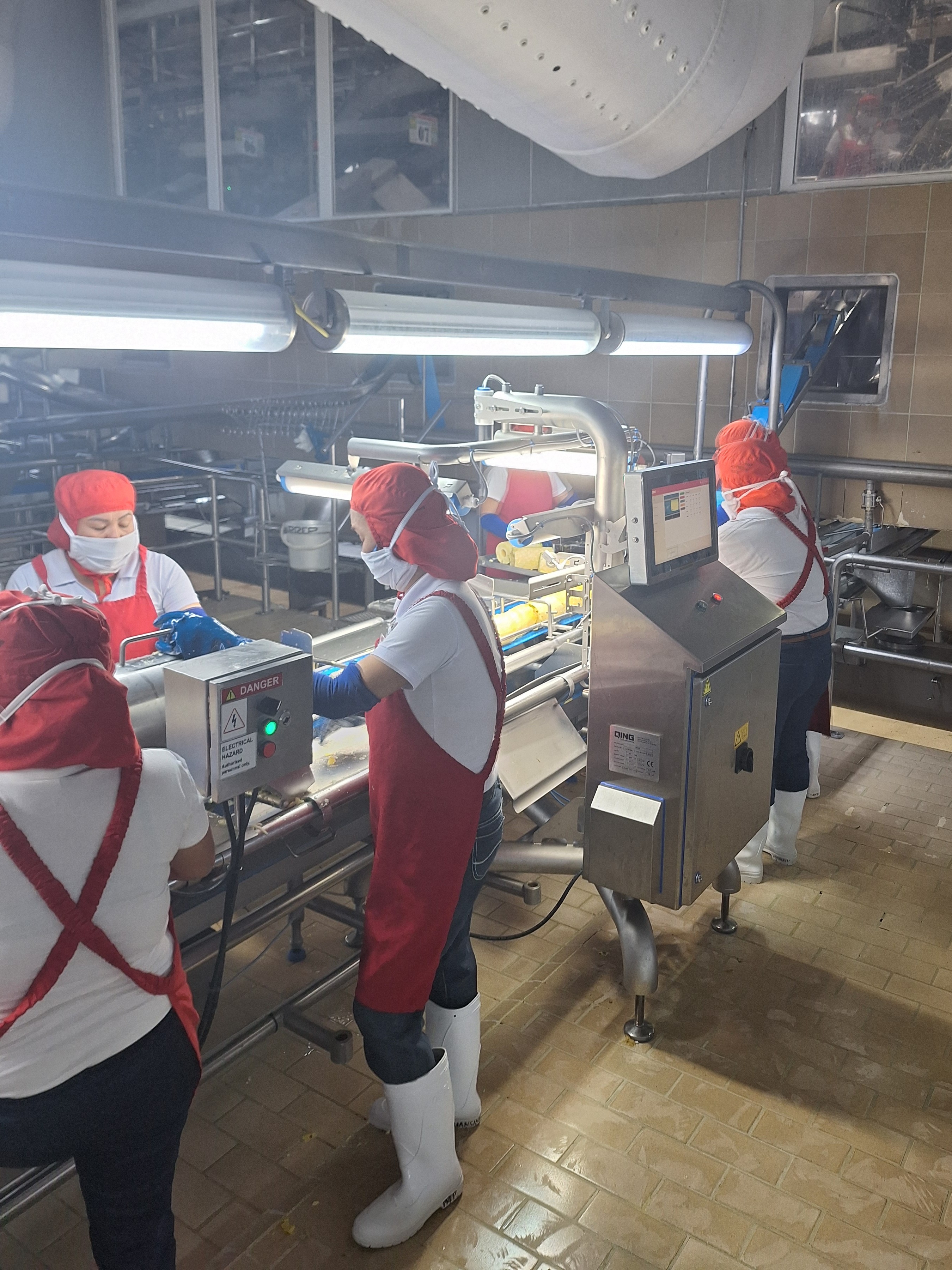
To address this issue, QING has installed the Q-See, AI-driven inspection system. With the flexible software STAQ® and Vision AI, the system focuses specifically on detecting defects in pineapples. These might include bits of peel that are left behind or rotten areas.
A Ginaca machine peels the pineapples, leaving behind a cylindrical piece of pineapple. This cylinder is then processed into canned pineapple slices and chunks. Because pineapples can vary in size, pieces of peel sometimes remain on the cylinder.
The Q-See system accurately detects how often this occurs and stores the data digitally. This gives Dole insight into the actual product quality. It also reveals whether deviations occur during processing and how many manual corrections are needed.
Initial findings indicate that significant amounts of peel residue may remain after peeling. In addition, defects become visible that were previously difficult to detect with the naked eye. The collected data can be used to identify specific areas for improvement in the production process.
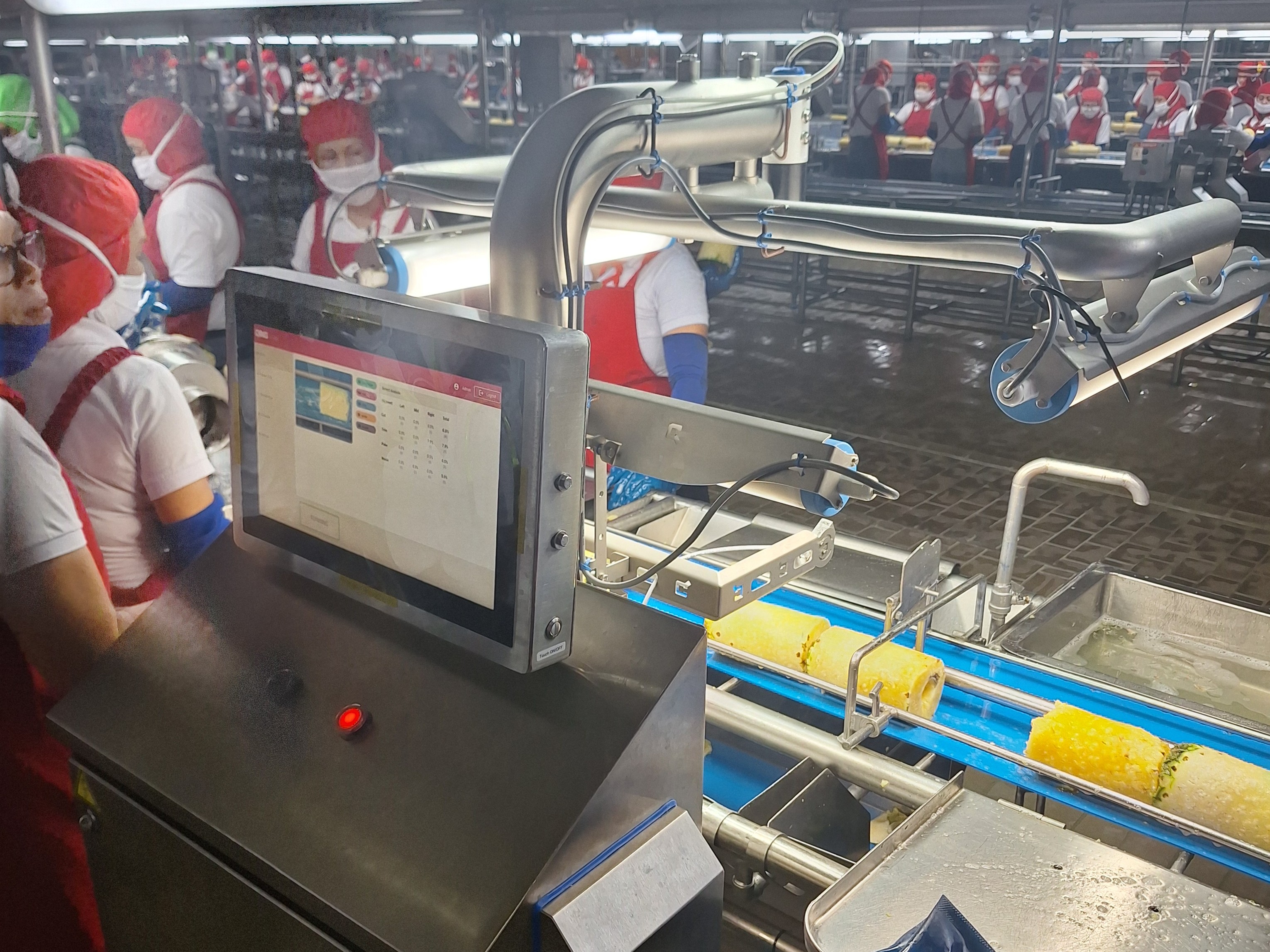
The system can be temporarily installed at other locations in the production process, making it possible to measure various steps. By comparing the data, it becomes clear where quality loss occurs and when employees have to perform the most manual tasks. Machines can then be adjusted more effectively, reducing the percentage of product loss. Employees can also be supported more efficiently.
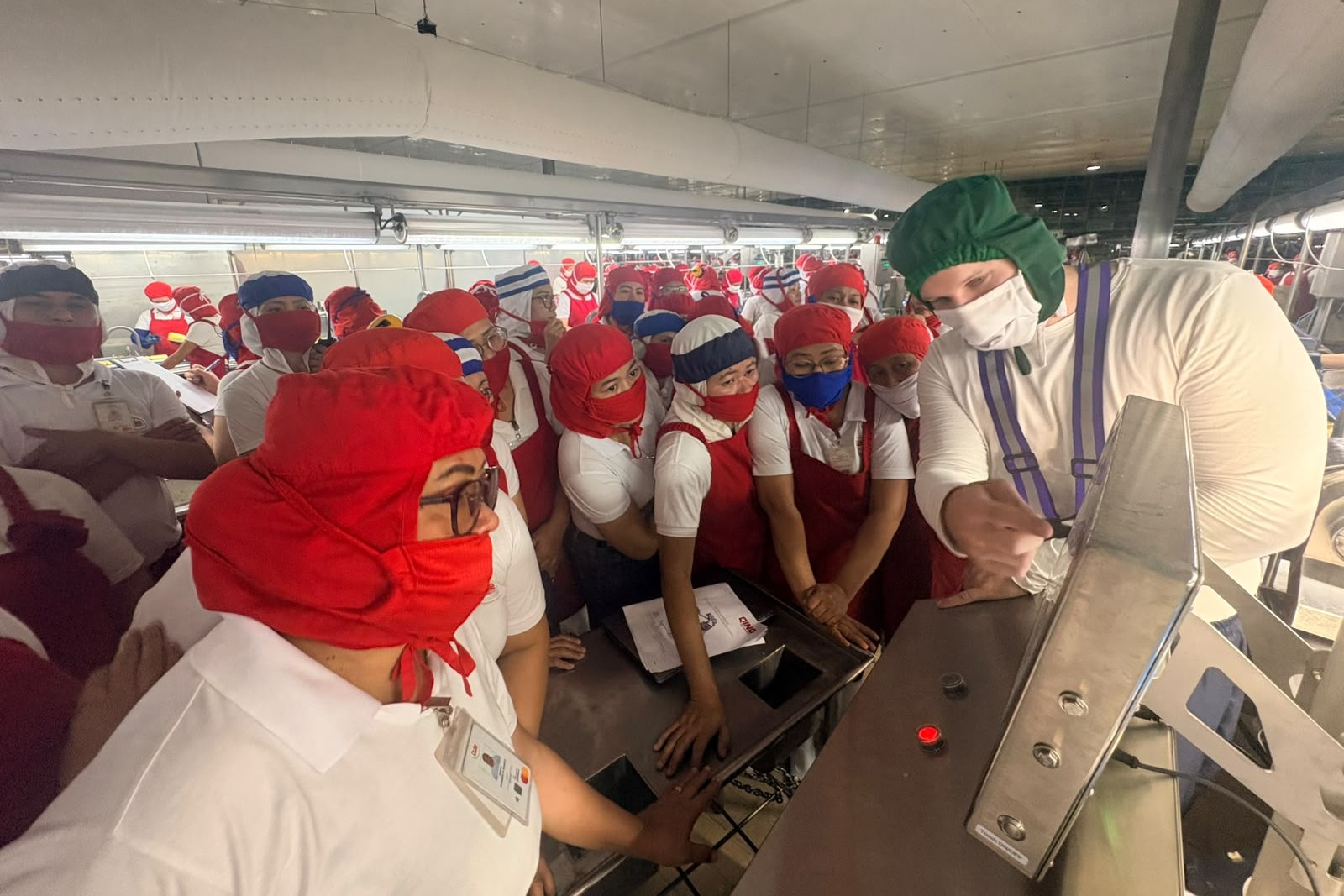
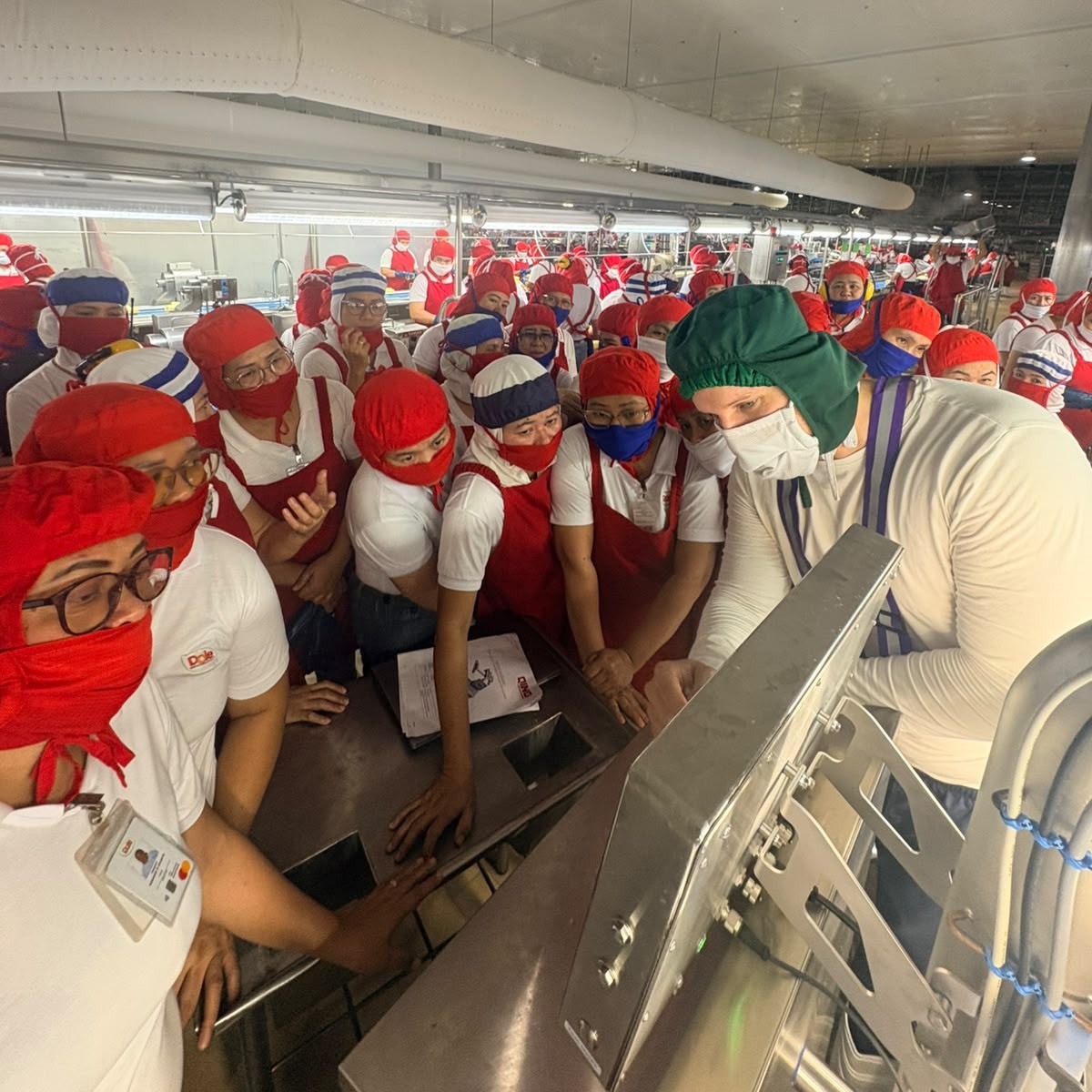
At the same time, support from employees is important. Successful implementation relies on the knowledge and experience of the people on the production floor. The involvement of Polomolok’s employees not only provided new insights into the production process but also generated ideas for additional features and applications.
Practical knowledge helps to efficiently interpret collected data and translate it into concrete improvements in the production process. In this way, the Q-See system became more than just a quality control tool: it became a way to leverage the expertise of employees. By starting small and actively involving employees, you build support for technological innovation. With this implementation, Dole and QING demonstrate that Vision AI and employee expertise reinforce each other.
Will is happy to help you